Ever feel sticker shock when you see a condo’s HOA fee and wonder what you are really paying for? You are not alone. In Middlesex County, HOA dues are a key part of your monthly housing cost and can vary a lot from one community to the next. In this guide, you will learn what HOA fees typically include, how to read the association’s financials, common red flags, and a simple way to compare total costs so you can buy with confidence. Let’s dive in.
What HOA fees pay for in Middlesex County
HOA fees fund day-to-day operations and long-term upkeep. Think of them in two buckets: operating expenses you see every month and reserve contributions that prepare for future repairs.
Operating basics
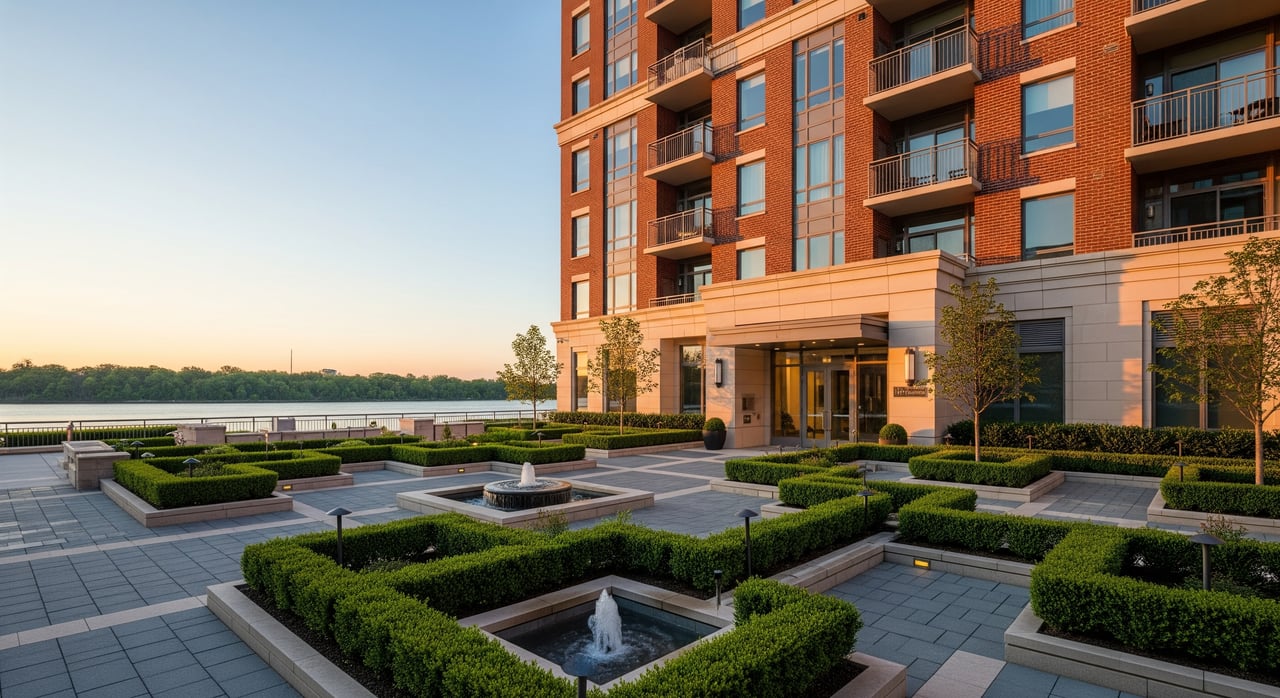
Most associations cover exterior and common-area maintenance such as landscaping, snow removal, parking lot upkeep, lighting, and janitorial services. Fees often include common utilities like water, sewer, and trash collection, plus electricity for hallways and shared spaces. Buildings with elevators, shared HVAC, or on-site staff budget for those costs too. If your community has amenities like a pool, gym, or clubhouse, part of your dues supports maintenance, utilities, and staffing.
Reserves and big-ticket items
A portion of your fee typically goes into reserves for major replacements like roofs, paving, siding, and elevators. Associations use periodic reserve studies to forecast these expenses and guide funding plans. Healthy reserves lower the risk of surprise special assessments when big projects come due.
Insurance and what it covers
Associations carry a master insurance policy that usually covers the building structure, common areas, and liability. Interior coverage varies by community, so you will want to confirm if your unit’s interior is covered walls-in or bare walls. You will still need your own condo policy for personal property and interior finishes that are not included in the master policy.
Special assessments and one-time costs
When reserves are too low for a major repair, associations may levy a special assessment. Some communities finance projects with loans that owners repay over time through increased dues or separate payments. Other possible costs include parking or storage fees, pet fees, transfer fees at closing, and move-in rules and charges.
How to read an HOA budget and reserves
You should review the association’s documents before you commit. Ask early, and plan to go over them with your agent and a New Jersey real estate attorney if you have questions.
Documents to request before you commit
- Current and prior-year operating budgets, year-to-date financials, and a balance sheet
- Latest reserve study or reserve report and the current reserve fund balance
- Board meeting minutes for the last 12 to 24 months and any special meeting minutes
- Master deed or declaration, bylaws, rules and regulations, and all amendments
- Insurance certificate outlining the master policy and deductibles
- List of recent and planned capital projects with cost estimates and timing
- Any pending or proposed special assessments
- Assessment collection policy and delinquency rate
- Management contract terms if a management company is used
- Litigation disclosures and any developer transition documents for newer communities
What to look for in the numbers
- Reserve strength: Compare the actual reserve balance to what the reserve study recommends. A low percent funded, such as under 20 to 30 percent, can be a concern.
- Assessment trends: Frequent dues increases above 5 to 7 percent year-over-year deserve a closer look, though consider inflation and rising insurance costs.
- Special assessment history: Multiple assessments in recent years may signal underfunding.
- Delinquencies: A high share of unpaid dues, often cited at 5 to 10 percent or more, can strain cash flow and lead to higher fees for paying owners.
- Upcoming projects: Roofs, boilers, paving, and exterior work should appear in minutes and capital plans so you can see timing and funding.
Insurance details to verify
- What the master policy covers and what it excludes inside the unit
- Master policy deductible and whether a large deductible could lead to owner assessments after a loss
- Flood coverage requirements if the property is in a flood zone or near waterways
Typical HOA fee ranges in Middlesex County
HOA fees vary with the community’s age, scale, and amenity package. Use these ranges as a starting point when you compare condos and townhomes in Middlesex County:
- Basic garden-style or low-amenity buildings: about $200 to $400 per month
- Townhome or moderate-amenity communities: about $300 to $600 per month
- Larger, amenity-rich communities or buildings: about $600 to $1,200+ per month
Transit-adjacent locations like Edison, Metuchen, New Brunswick, Woodbridge, and South Amboy may have higher prices and sometimes higher dues, especially if amenities or on-site staffing are involved.
What drives fees up or down
- Amenities: Pools, clubhouses, gyms, tennis, and security services increase operating costs.
- Utilities included: Covering water, sewer, trash, or heat raises dues but lowers separate bills.
- Age and condition: Older buildings often need larger reserves for big replacements.
- Size and density: Fewer units sharing fixed costs can push per-unit fees higher.
- Reserve policy: Strong reserve funding can mean steadier dues and fewer surprises.
- Insurance and deductibles: Higher premiums or big deductibles affect dues and risk.
- Delinquencies: Higher non-payment rates can shift the burden to paying owners.
How to compare a condo to a house
Do not compare condos on HOA fee alone. Compare the total monthly cost for each home on your list. For a condo, part of the HOA replaces costs you would pay out of pocket for a single-family home, like exterior maintenance, snow removal, and landscaping.
A simple monthly cost formula
Use this formula to compare apples to apples:
- Monthly housing cost = Mortgage principal and interest + Property tax divided by 12 + HOA fee + Owner-paid utilities not included in HOA + Condo insurance for your interior + Small allowance for interior maintenance
Two quick examples to illustrate the method:
- Condo A, basic building: Lower HOA, few amenities. Dues may cover water, sewer, trash, landscaping, and snow. You will budget separately for electric, gas, and interior maintenance.
- Condo B, amenity-rich community: Higher HOA with pool, clubhouse, and on-site staff. Dues may cover more utilities and services. You might pay less out of pocket for maintenance, but higher dues increase your monthly debt-to-income calculation.
Always plug in actual figures from the budget and resale documents for a fair comparison.
Red flags to watch for
- Very low reserves with big projects coming soon
- Multiple special assessments in recent years or a new proposal in minutes
- High delinquency rates that could stress cash flow
- Ongoing or threatened litigation
- Insurance with a very large master deductible or unclear unit coverage
- Rapid board turnover, scant meeting minutes, or poor transparency
- High investor concentration that could affect financing options
Due-diligence checklist you can take to showings
- Ask for the resale packet or estoppel, including the current budget and reserve study
- Review board minutes for the last 12 to 24 months
- Verify what utilities and services are included in dues
- Confirm the master policy coverage and deductible, plus any flood insurance requirements
- Check for planned capital projects, timing, and funding source
- Ask about any proposed or recent special assessments
- Note the delinquency rate and collection policy
- Review rental rules and occupancy profile if financing guidelines matter to you
- Get the management company’s contact for follow-up questions
- Consult a New Jersey real estate attorney if documents are complex or unclear
Local considerations in Middlesex County
- Transit hubs: Edison, Metuchen, New Brunswick, Woodbridge, and nearby stations attract commuters, which can mean higher prices and sometimes higher HOA fees in amenity buildings.
- Flood risk pockets: Areas near the Raritan River and tidal tributaries may face higher insurance costs or flood requirements. Check the association’s insurance and any flood zone disclosures.
- New construction: Developers often control the board early on. Ask about the transition timeline and whether initial dues may rise after turnover.
- Older communities: Look for evidence of proactive capital planning, recent major improvements, and a consistent reserve-funding approach.
Get guidance you can trust
You deserve a clear picture of what your HOA fee buys you and how it affects your monthly budget. If you want help requesting the right documents, reviewing budgets and reserves, and comparing true costs across Middlesex County condos, reach out. Schedule a Free Consultation with MaryBeth Tomaro to explore a shortlist of communities that fit your needs and comfort level.
FAQs
How do HOA fees affect mortgage approval for NJ condos?
- Lenders count HOA dues in your debt-to-income ratio, so higher dues can reduce the loan amount you qualify for even if the purchase price stays the same.
Do HOA fees include property taxes in Middlesex County?
- In most condo setups, property taxes are paid by each unit owner separately and are not part of the HOA fee, though you should confirm the structure in the resale documents.
What happens if there is a special assessment after I close on my condo?
- Owners are responsible for assessments that are approved and due after closing, so review minutes for planned projects and ask directly about pending assessments before you buy.
Are utilities like heat and hot water included in condo HOA dues?
- Many associations include water, sewer, trash, and common-area utilities, while heat and electric vary by building, so check the budget line items and rules to know exactly what is covered.
What is a reserve study and why does it matter to me?
- A reserve study forecasts major replacements and sets funding targets, and a well-funded reserve lowers the chance of surprise assessments and helps keep dues predictable.
How often do HOA fees increase in Middlesex County communities?
- Boards typically adjust dues annually to keep up with operating costs and reserves, so look at several years of budgets and meeting minutes to understand the trend in a specific community.