Dreaming of mornings by the ocean and evenings in a lively downtown, with a realistic commute to New York City when you need it? Monmouth County offers that blend of shore life, suburban comfort, and regional access that many buyers seek. If you want beaches, parks, good everyday amenities, and a range of neighborhoods, you’ll find solid options here. In this guide, you’ll learn the feel of daily life, housing styles, commute choices, costs to consider, and the trade-offs to weigh. Let’s dive in.
Where Monmouth County fits
Monmouth County sits on New Jersey’s central Atlantic coast, framed by the Raritan Bay to the northwest and the Jersey Shore to the east. You’ll find a mix of classic shore towns like Asbury Park, Long Branch, Belmar, and Spring Lake, plus suburban centers such as Middletown, Holmdel, and Colts Neck. Smaller boroughs like Red Bank, Freehold, and Rumson add walkable downtowns and historic charm.
Getting around the county typically means using the Garden State Parkway for north-south trips, along with Routes 9, 35, and 36 for daily errands. I-195 ties into the county’s southern edge. These roadways shape both your commute choices and your weekend plans.
Day-to-day lifestyle
Beaches and boardwalks
The coastline is a big part of everyday life. Public beaches and boardwalks in Long Branch, Asbury Park, Belmar, and the Sandy Hook area are easy go-tos for morning walks, summer swims, and casual boardwalk dining. Summer brings live music and seasonal events, while fall and winter offer quieter strolls and wide-open views.
Parks and outdoor space
Beyond the beach, the Monmouth County Park System maintains extensive parks and preserves with hiking and biking trails, lake recreation, horseback riding, and regular programming. Popular spots like Hartshorne Woods, Turkey Swamp, and Thompson Park offer a change of scenery year-round. Boating and fishing are part of the culture too, with local marinas and ramps supporting weekend plans on the water.
Dining, arts, and events
Asbury Park is known for its live music and a revitalized boardwalk scene, while Red Bank blends theaters, dining, and boutique shopping. Long Branch and other shore towns add seasonal festivals, seafood-focused dining, breweries, and farmers’ markets. The community calendar leans into summer with concerts and food events, then shifts to smaller arts and local gatherings in cooler months.
Shopping and everyday errands
Daily errands are easy to manage with retail clusters along Route 9, plus malls, strip centers, and downtown cores in places like Red Bank and Long Branch. Grocery choices include national chains and smaller local markets. During warmer months, seasonal farm stands and markets are a favorite for local produce.
Housing styles and neighborhood vibes
Shore towns
If you’re drawn to the ocean, you’ll see beachfront condos, older Victorian-era homes, and vacation-style properties near the boardwalks. Some buildings and homes serve as seasonal rentals, and many areas have a strong summer rhythm. Shore proximity adds lifestyle perks, but also requires attention to coastal risks and maintenance.
Suburban districts
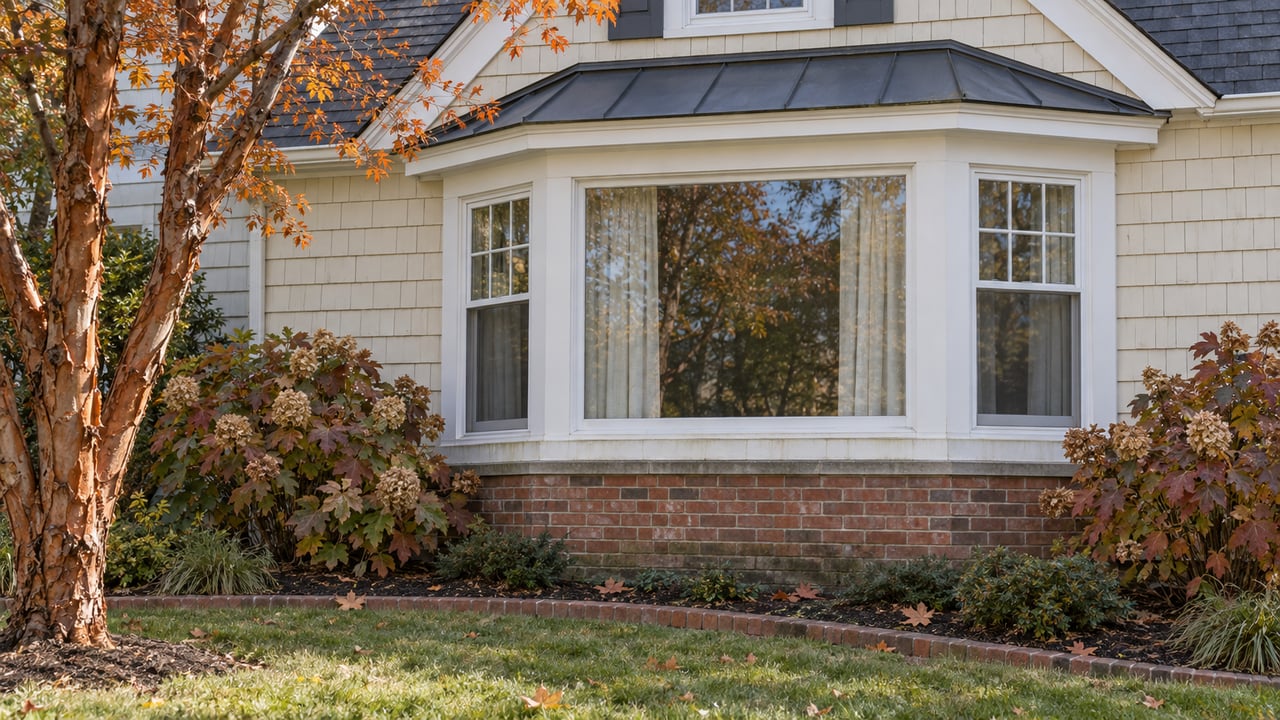
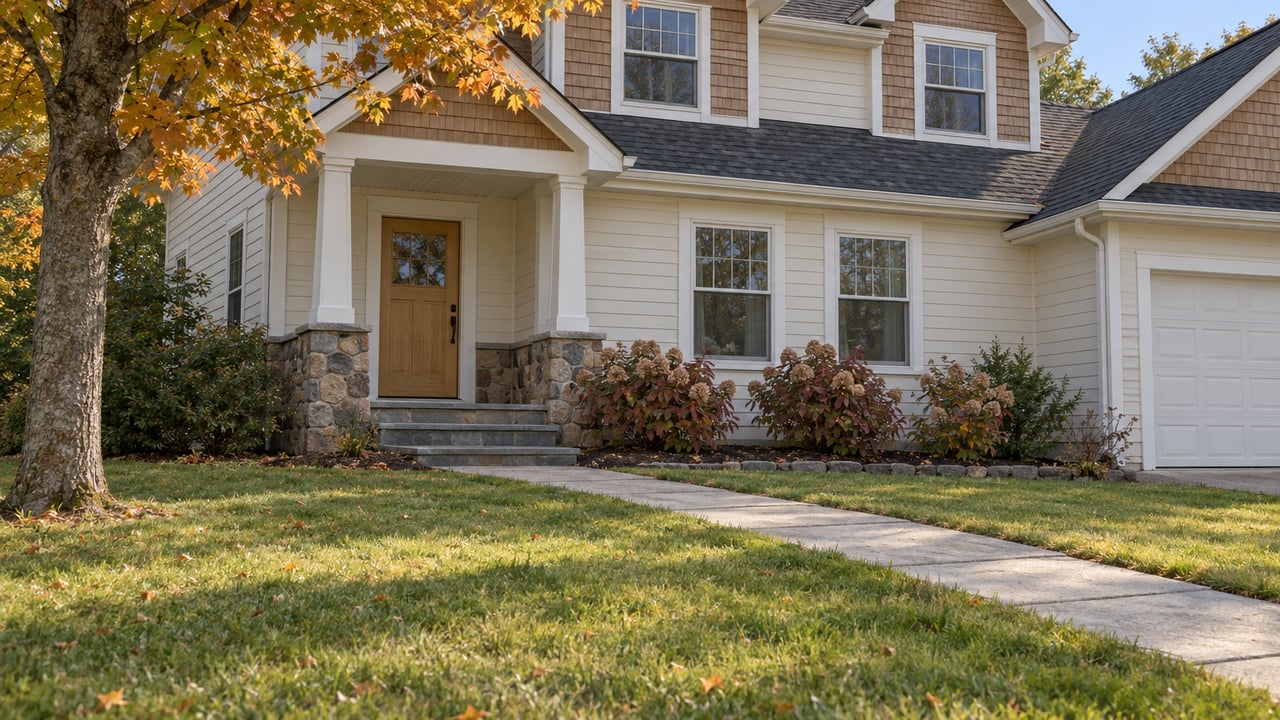
Inland and suburban neighborhoods offer single-family homes such as Colonials, Capes, split-levels, and ranches from the region’s post-war growth. These areas often attract buyers who want more space, yard size, and a quieter setting while staying within a reasonable drive of beaches and downtowns.
Affluent enclaves
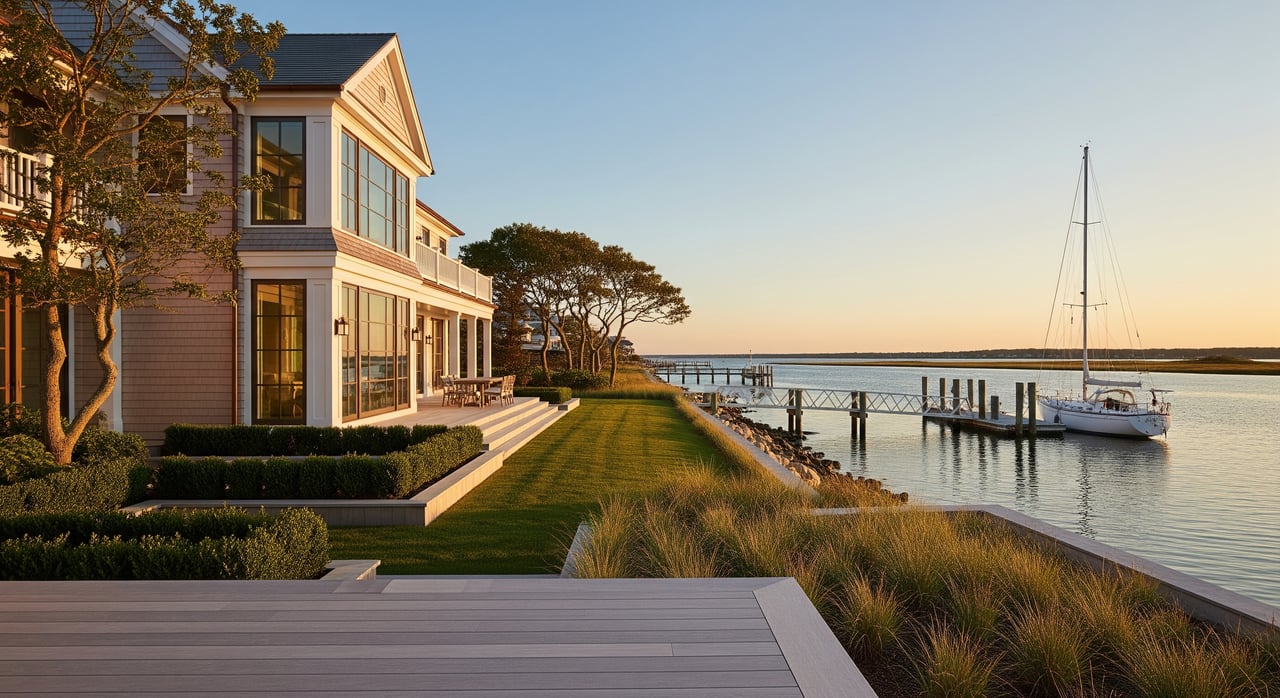
Towns like Rumson, Fair Haven, and Colts Neck feature larger lots, historic properties, and waterfront estates. These communities tend to have a more private, estate-like feel and command premium prices, especially on or near the water.
Walkable downtowns and transit hubs
Transit-oriented boroughs such as Red Bank and Long Branch offer townhomes and multi-family buildings within walking distance of restaurants, shops, and train stations. If you value a short stroll to coffee, dinner, and the train, these cores deliver a convenient, car-light daily routine.
New construction
New builds are more limited than in master-planned suburbs, but you can find scattered infill and small subdivisions, especially inland on larger lots. Availability varies by town and season.
Price context and costs
Home values vary widely by town, proximity to the shore, lot size, and local school districts. Entry-level condos and smaller townhomes generally offer lower price points, while larger family homes and waterfront estates command higher budgets. Because markets shift with interest rates, seasonality, and micro-location, plan to review current data as you search.
Beyond the mortgage, factor in New Jersey’s higher-than-average property taxes, which vary by municipality and assessed value. If a home is in a mapped flood zone or close to the coast, you may face higher homeowners insurance and could need flood insurance. These costs can materially affect your monthly budget.
Getting around and commuting
NJ Transit rail
The North Jersey Coast Line runs along the county’s spine with service toward Newark and New York Penn Station. Depending on your origin point and whether you catch an express or local, rail times to New York City typically range from about 60 to more than 90 minutes.
Ferries
Seasonal and private ferry services connect select Monmouth County harbors and terminals with Manhattan. Ferries can be faster for some routes, though schedules and terminals can change and service is more limited than rail. If you’re considering a ferry commute, verify current routes and seasonal timetables.
Driving
The Garden State Parkway is the main north-south route for commuting to northern New Jersey and New York City. Drive times to Manhattan vary significantly, often from about 60 minutes to well over 2 hours depending on traffic, time of day, and your starting point. Proximity to Parkway exits and local traffic patterns will shape your daily experience.
Walkability and bikes
Walkable cores like Red Bank, Asbury Park, and Long Branch support errands without a car. Many suburban neighborhoods are more car-dependent, so plan based on your routine and priorities.
Seasons and trade-offs to weigh
Monmouth County shines in summer, when beaches, boardwalks, and outdoor events are in full swing. That also brings more visitors, heavier traffic, and limited parking near the ocean. Winters and shoulder seasons are quieter, with a slower pace and fewer seasonal events.
Living on or near the shore offers the benefit of easy water access and views, but it comes with coastal risks. Nor’easters and coastal storms can affect flooding and storm surge, and salt air can increase home maintenance needs. Balancing the coastal lifestyle with insurance, taxes, and maintenance is part of informed homeownership here.
Smart steps for home seekers
- Visit your favorite towns in different seasons to understand traffic, parking, and community rhythm.
- Review FEMA flood maps and municipal floodplain info if you’re near the water, and collect sample insurance quotes early.
- Build a budget that includes property taxes and potential flood or coastal insurance.
- If schools matter to you, review neutral performance data from official state resources to compare districts.
- Check local beach access rules, seasonal badges, and parking policies in each municipality.
- If you’re considering a short-term rental strategy, confirm local zoning and licensing rules before you buy.
- Talk through commute options, including rail, ferry, and driving patterns, based on your exact address and schedule.
Monmouth County blends shore energy with suburban ease, giving you choices from lively boardwalk towns to leafy residential neighborhoods. If you want help matching your lifestyle and budget with the right community and property type, connect with MaryBeth Tomaro for local guidance and concierge-level support. Schedule a Free Consultation to plan your next move with confidence.
FAQs
How long is the commute from Monmouth County to NYC?
- By NJ Transit, many stations offer trips of about 60 to more than 90 minutes depending on origin and service type; by car, drive times can range from roughly 60 minutes to more than 2 hours with traffic.
Do I need flood insurance for a home near the shore?
- If your property sits in a mapped flood zone, flood insurance is typically required by lenders and is strongly recommended for coastal locations due to storm and surge risk.
How do property taxes in Monmouth County compare to national averages?
- New Jersey property taxes are generally higher than national averages, and amounts vary by municipality and assessed value, so include them early in your budgeting.
Are Monmouth County beaches public and do they require badges?
- Many beaches are public but require seasonal badges or parking fees, and policies differ by town; check the specific municipality before you go.
What types of homes are common in Monmouth County?
- You’ll find beachfront condos and older homes near the shore, single-family suburban styles like Colonials and ranches inland, townhomes in walkable cores, and luxury estates in select enclaves.
Is the housing market seasonal near the shore?
- Shore towns often see seasonal patterns, including short-term rentals in summer; verify local regulations if you are purchasing with rental plans.
What healthcare and higher education options are in the county?
- The county includes major medical centers offering acute care and has local higher education options such as a university and community college.
How walkable are towns in Monmouth County?
- Borough centers like Red Bank, Asbury Park, and Long Branch are more walkable, while many suburban neighborhoods are car-dependent for daily errands.