Thinking about listing your Monmouth County home and want a clear plan that works in today’s market? You’re not alone. With different price points across shore towns and inland neighborhoods, it can be hard to know where to invest your time and money. This guide gives you a simple 4 to 6 week prep plan, budget-smart updates with strong resale value, staging and photography tips, and New Jersey disclosures to check off before you go live. Let’s dive in.
Monmouth market snapshot
Monmouth County remains active, with pricing that varies by source and season. The median sale price sits around $710,500 according to the January 2026 county snapshot from Redfin’s Monmouth County trends (Jan 2026). Realtor.com’s Monmouth County page reported a median list price near $799,000 in December 2025 (Dec 2025). Different vendors use different data windows, so numbers will not match exactly.
What this means for you: price band and town set buyer expectations. In higher priced shore and borough markets like Long Branch, Red Bank, Rumson, and Spring Lake, buyers often expect move-in ready finishes and crisp presentation. In inland areas such as Howell and Freehold, clean, functional updates and strong curb appeal tend to carry more weight. Track inventory and days on market near your listing date using the Realtor.com county dashboard to decide how much to invest. When inventory is tight, light prep and great photos can be enough. When days on market rise, targeted updates and staging add value.
Your 4 to 6 week prep plan
Weeks 1–2: Documents, diagnostics, declutter
Start with paperwork. Gather your title and HOA documents, recent utility bills, permit records, warranties, and any repair invoices. Ask your listing agent for a pre-listing walk-through to spot potential deal killers. A pre-listing inspection is optional, but it can reduce surprises later, and typically costs about $300 to $600, per Opendoor’s prep guide.
Declutter and depersonalize so rooms feel open and easy to photograph. Remove excess furniture, clear surfaces, and pack seasonal items. Then schedule a deep clean. These are the lowest cost steps that make the biggest first impression in photos and at showings.
Weeks 2–4: Fixes and light updates
Prioritize safety and function first. Resolve leaks, roof and gutter issues, HVAC service needs, electrical hazards, and signs of water intrusion. Lenders and insurers care about these items, and buyers do too.
Then focus on high-ROI cosmetic updates. National averages suggest the following ranges, with shore and borough markets sometimes running higher:
- Fresh neutral interior paint: about $1,000 to $3,500 for many homes.
- Replace or refinish worn flooring: about $1,500 to $8,000 depending on scope.
- Minor kitchen refresh, such as cabinet refacing, new hardware, counters, and lighting: about $5,000 to $25,000.
- Midrange bathroom refresh: about $3,000 to $15,000.
- Landscaping tune-up and power washing: about $200 to $2,500.
These ranges and project ideas reflect national ROI guidance summarized by Kiplinger’s Cost vs. Value coverage. Your agent will help you avoid over-improving beyond neighborhood comparables.
Weeks 4–6: Stage, photograph, launch
Staging and photography work together to drive online clicks and in-person showings. The National Association of REALTORS reports that most buyer agents say staging helps buyers visualize a property as their home, and many seller agents see shorter market time or modest price lift from staging. See the findings in NAR’s Staged for Success overview.
- Staging: A consult often runs $150 to $600, partial staging for occupied homes about $400 to $2,500, and full or vacant staging from $2,000 to $5,000 or more, according to HomeLight’s staging cost guide. If the home is vacant, virtual staging can be a cost-effective option. Disclose it where used.
- Photography and media: Professional real estate photography typically costs $150 to $500 for a standard shoot, with add-ons for drone, twilight, and 3D tours. For longer or complex floor plans, a floor plan and virtual tour boost engagement. See the media checklist in Opendoor’s listing prep guide.
Time your launch for maximum visibility. Your agent will analyze local traffic patterns, seasonality, and days on market to recommend the best go-live window and open house plan.
Updates with the best ROI
If your budget is limited, focus on the small wins that move the needle:
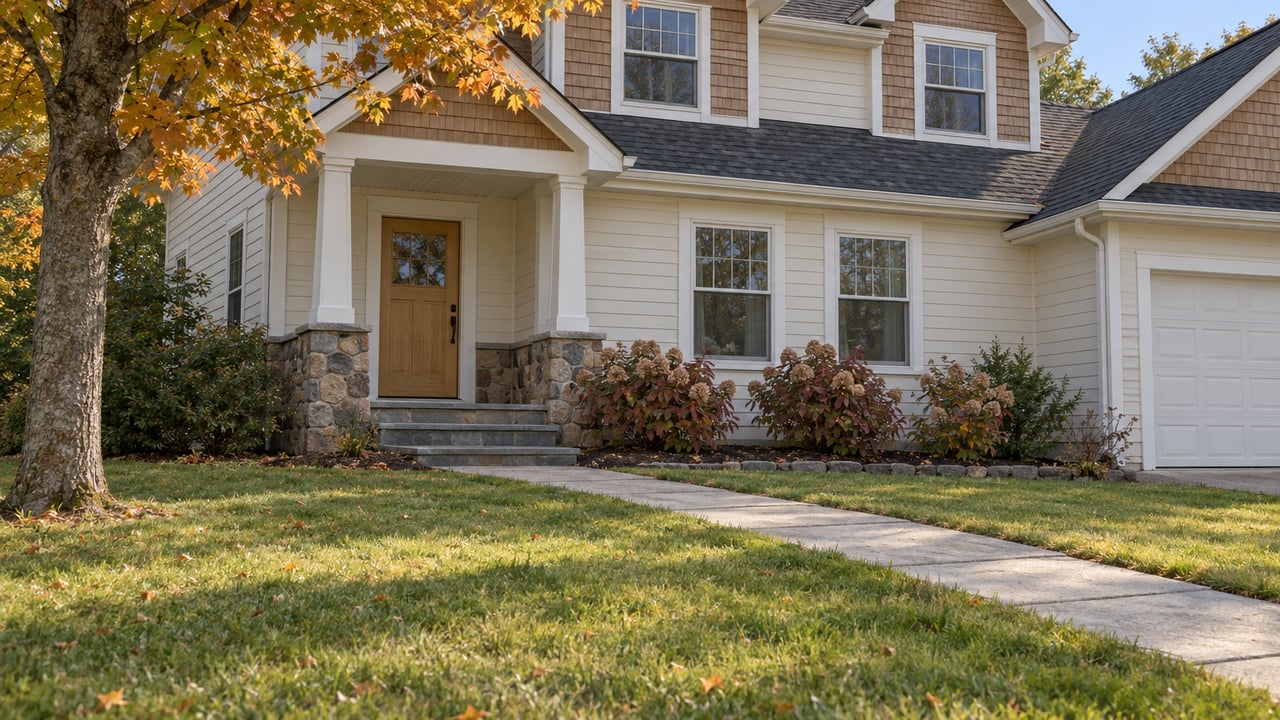
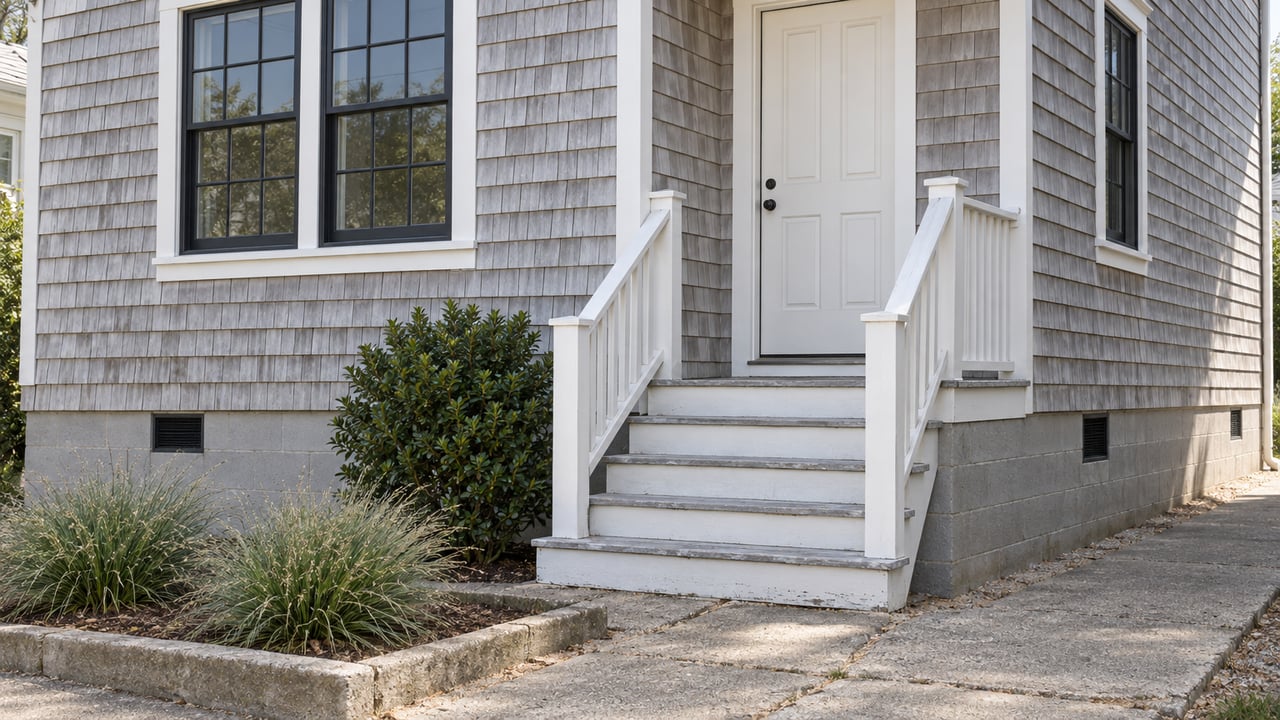
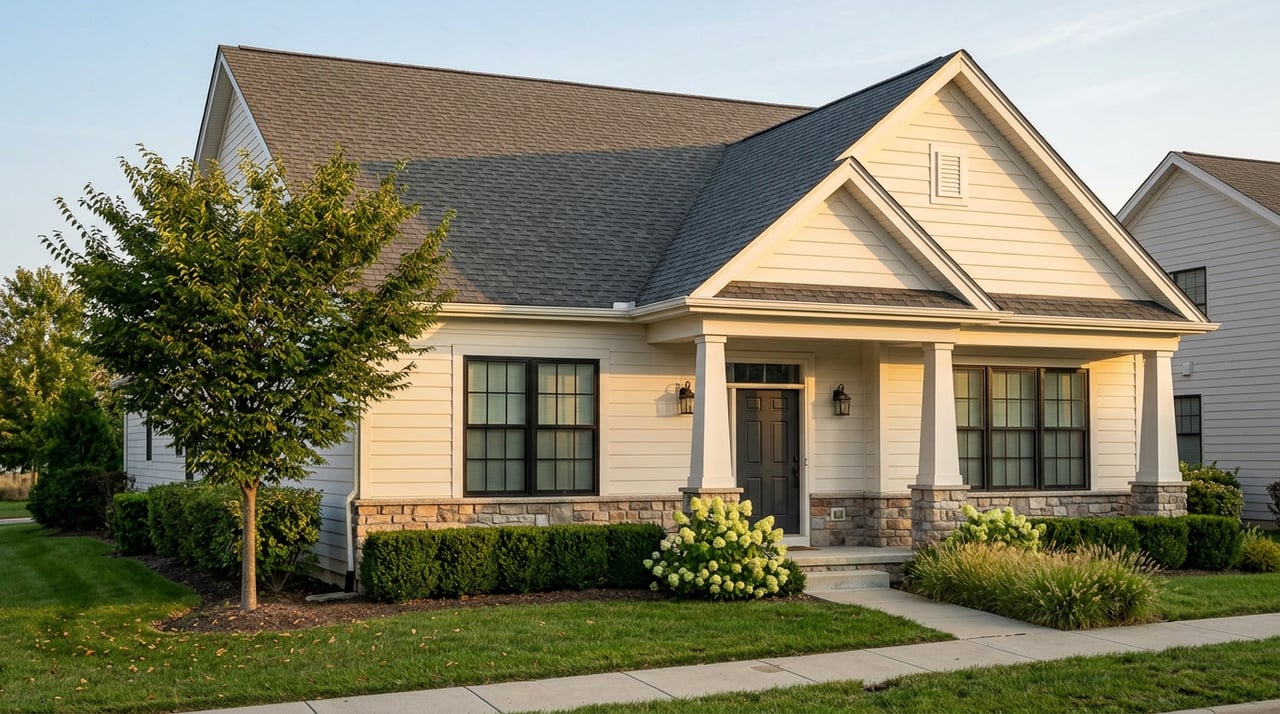
- Curb appeal: Fresh mulch, edged beds, trimmed shrubs, a power-washed walkway, and working exterior lights set the tone.
- Front entry: A new steel entry door, updated hardware, or a freshly painted front door often punches above its weight.
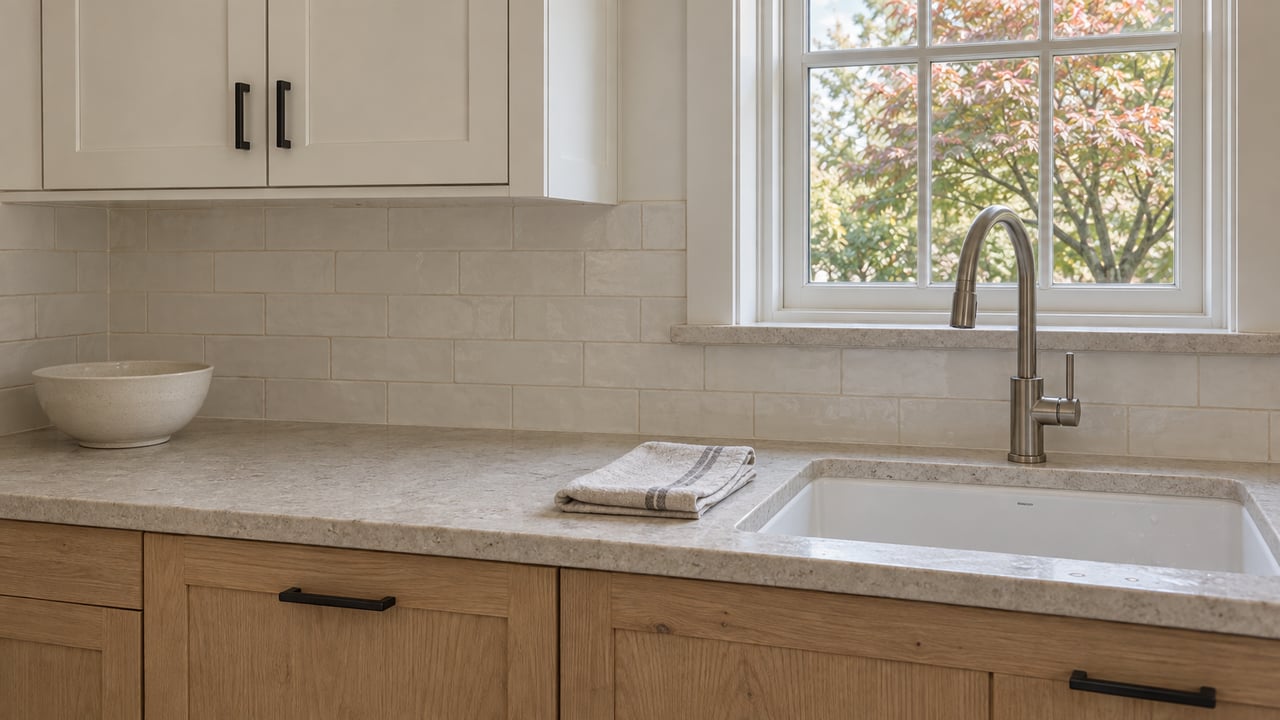
- Minor kitchen refresh: Update hardware, lighting, faucet, and countertops where dated. Keep cabinets light and clean.
- Midrange bath refresh: New vanity, lighting, mirror, and re-caulked tub or shower can help the room feel new.
Project rankings like garage and entry doors consistently scoring well in resale payback are reported in Remodeling’s Cost vs. Value studies and summarized by Kiplinger. Match the scope to your price band and neighborhood to protect your return.
Staging that fits your town
Priorities that pay off
If you have to choose where to stage, start with the rooms buyers care about most. NAR’s staging research highlights the living room, primary bedroom, and kitchen as top priorities for buyer perception and engagement. Add the dining area or a flexible workspace if budget allows. Keep styling simple and neutral so buyers notice the space, not the stuff.
How much to stage based on price band
- Higher priced shoreline and borough ZIPs, like 07740 in Long Branch and nearby Rumson or Spring Lake, usually reward polished styling, full staging of public spaces, and premium photography that includes a twilight front shot. If view lines or proximity to water are features, ask about safe, compliant aerials.
- In inland or entry-level segments, lean into curb appeal, a clean and updated kitchen and bathrooms, and selective staging. A consult plus light furniture editing can be enough.
To set expectations for your town and price band, review city and ZIP level data on the Realtor.com Monmouth County page and align your staging plan with local competition.
Photo day checklist
Use this quick list to get top-tier images:
- Declutter every room. Clear countertops, nightstands, and bathroom surfaces. Hide pet bowls and litter boxes.
- Make beds with neutral bedding, fluff pillows, and add a single throw or blanket.
- Replace burnt-out bulbs and turn on all lights. Open blinds and curtains for daylight.
- Set the thermostat to a comfortable temperature for the photographer and any visitors.
- Remove cars from the driveway and tidy porches and patios.
- Schedule most interiors during daylight. Book a twilight exterior if your facade and landscaping are strong.
- Target 20 to 30 professional images for a typical 3 to 4 bedroom home, plus a floor plan and optional 3D tour when helpful. These best practices are reflected in Opendoor’s photography guidance.
New Jersey disclosures and local logistics
Getting your paperwork right protects you and keeps the deal on track.
- Seller’s Property Condition Disclosure: Under the 2024 Real Estate Consumer Protection Enhancement Act, New Jersey sellers must complete the Seller’s Property Condition Disclosure Statement before buyers become contractually obligated. Confirm timing and content with your agent and review the guidance from NJ REALTORS.
- Lead-based paint for pre-1978 homes: Federal law requires you to provide buyers with the EPA pamphlet Protect Your Family From Lead in Your Home, disclose any known lead information, and offer buyers a 10 day inspection window unless waived. See the EPA’s overview of lead-based paint requirements.
- Flood zones and coastal factors: Many Monmouth properties sit near rivers or the shoreline. Look up your FEMA flood zone and gather any elevation certificates or flood insurance details. Start with FEMA Region II’s Monmouth County flood map resources, and check your municipal site. For example, Middletown posts a flood hazard ordinance and mapping page.
- Utilities and systems: Know whether you have municipal water and sewer or a private well and septic. Collect service records and any recent testing.
- Permits, repairs, and HOA/COA docs: Gather finaled permits, contractor invoices, and HOA or condo documents for faster buyer diligence.
Quick market-ready checklist
- Hire and confirm your listing agent and pricing strategy tailored to your town.
- Complete the NJ Seller’s Property Condition Disclosure and organize permits, warranties, and utility info. Review the CPEA requirements via NJ REALTORS.
- Declutter, deep clean, neutralize paint, fix leaks, and replace non-working lights.
- Refresh curb appeal with mulch, trimmed shrubs, mailbox touch-ups, and power washing.
- Stage the living room, primary bedroom, and kitchen first. Add dining or office if budget allows.
- Book professional photography, a floor plan, and an optional 3D tour. Follow your agent’s advice on go-live timing.
- If the home was built before 1978, provide the EPA lead paint pamphlet. If coastal or near waterways, confirm flood zone status and gather related documents. The EPA’s lead overview and FEMA Region II’s flood map portal are good starting points.
Why work with a local listing pro
Preparing to sell is part project management, part marketing, and part negotiation. A trusted Monmouth County agent will price with local comps, coordinate vendors, recommend right-sized updates, manage staging and photography, optimize MLS syndication, and negotiate offers with clarity. If your move involves downsizing or an estate, a concierge approach keeps the process respectful and steady while protecting value.
If you’re considering a sale in the next few months, let’s build your custom plan that fits your town, timeline, and budget. Schedule a Free Consultation with MaryBeth Tomaro to start strong and sell with confidence.
FAQs
How long should I spend preparing my Monmouth County home to sell?
- Most sellers do well with a focused 4 to 6 week prep window. Use weeks 1 to 2 for documents and decluttering, weeks 2 to 4 for fixes and light updates, and weeks 4 to 6 for staging, photography, and launch.
What staging and photography costs should I expect in New Jersey?
- Staging consults often run $150 to $600, partial staging $400 to $2,500, and full staging $2,000 to $5,000 or more, per HomeLight. Professional photography typically ranges from $150 to $500, with extra fees for drone, twilight, and 3D tours as outlined by Opendoor.
Which pre-listing updates usually offer the best ROI?
- Curb appeal improvements, a refreshed entry door, minor kitchen updates, and midrange bath refreshes are consistent winners in national Cost vs. Value reports summarized by Kiplinger. Match scope to your price band and local comps.
What disclosures do New Jersey home sellers need to provide?
- New Jersey requires a Seller’s Property Condition Disclosure under the 2024 CPEA. If your home was built before 1978, federal law also requires lead-based paint disclosures and the EPA pamphlet, plus a 10 day inspection window unless waived.
How do I find out if my Monmouth County property is in a flood zone?
- Check FEMA Region II’s Monmouth flood map resources, then confirm any local requirements on your municipal website. Keep any elevation certificates and flood insurance documents handy for buyers.