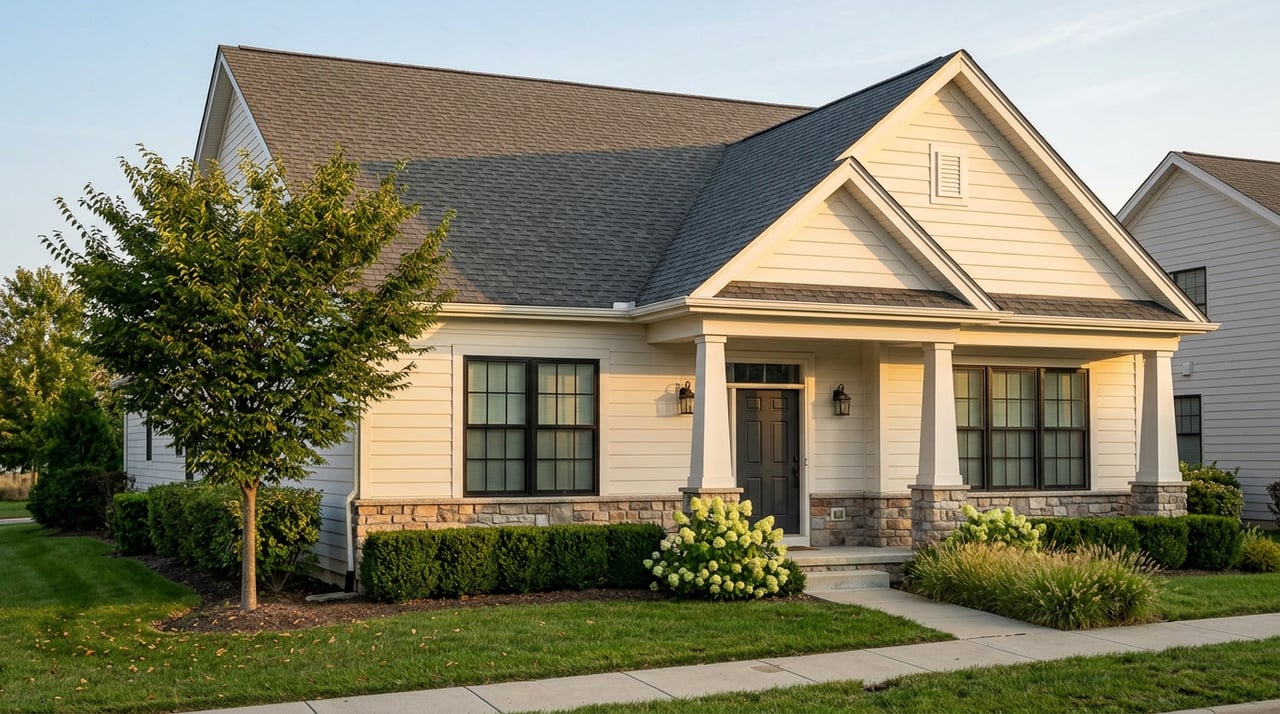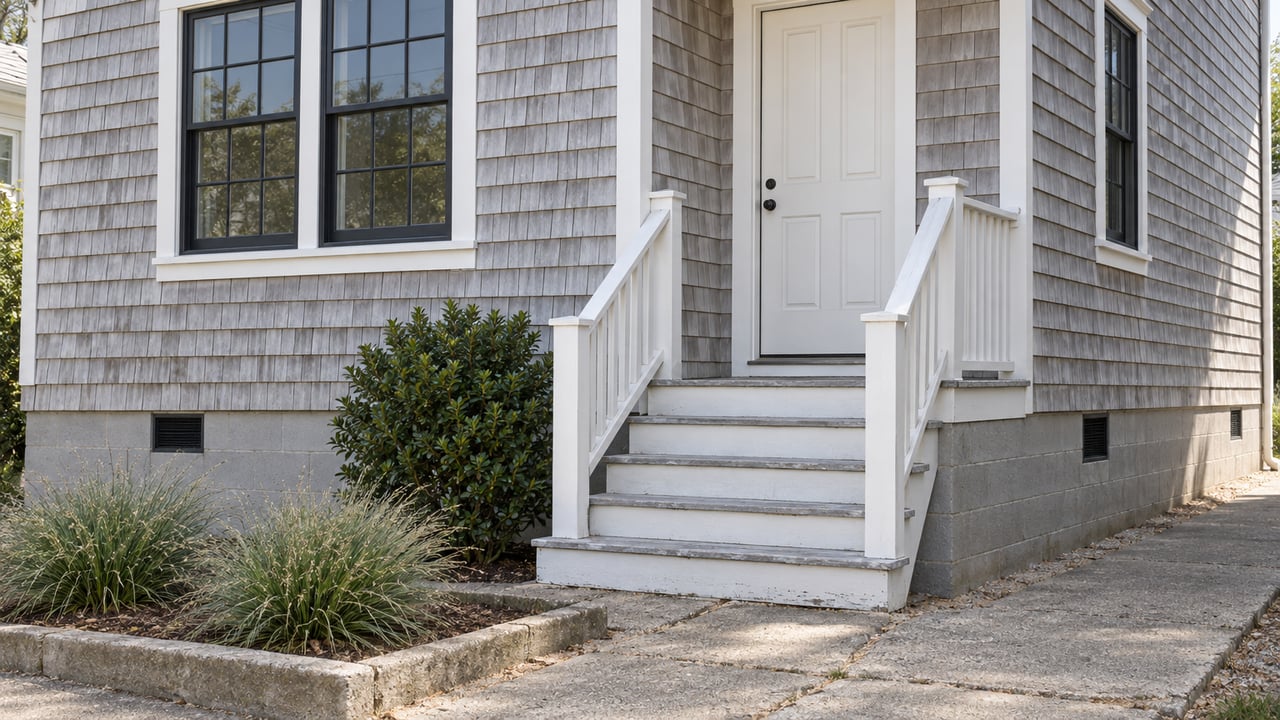
Ask a seller getting ready to list in Lavallette, Ortley Beach, or the bay side of Toms River what worries them most about disclosure, and the answer is almost always the same word: zone. Sellers assume the AE or VE designation stamped on the flood map is the number that will scare off a buyer or knock a contract sideways. It isn't, not anymore. Since FEMA rolled out its Risk Rating 2.0 pricing system, the letter on the map matters far less than a document most sellers have never actually seen: the Elevation Certificate.
Ocean County carries more federal flood insurance policies than any other county in New Jersey, concentrated in barrier communities like Lavallette, Ortley Beach, Seaside Heights, Seaside Park, and the six towns of Long Beach Island. For sellers in these places, and for the buyers evaluating them, two things now matter more than they used to. The first is what New Jersey's flood disclosure law actually requires before a contract gets signed. The second is what a few feet of height difference on that same lot can do to a buyer's insurance bill for the next thirty years.
What New Jersey's flood law actually requires before you sign anything
New Jersey's flood disclosure law took effect March 20, 2024, and it still catches sellers off guard more than two years later. It requires anyone selling residential or commercial property in the state to tell a buyer, in writing, before that buyer is contractually obligated to purchase, whether the property sits in a FEMA Special Flood Hazard Area or a Moderate Risk Flood Hazard Area, and whether the seller has actual knowledge of past flooding. The disclosure has to happen alongside the first draft of the contract, not after an accepted offer and not during attorney review. A seller who skips it, or produces it late, risks giving the buyer grounds to walk away from the deal even after both sides have signed.
New Jersey's Department of Environmental Protection maintains an address lookup tool that pulls the same flood zone data a buyer's lender will eventually use for underwriting, so there is no advantage in a listing agent guessing at the answer or leaving it vague on the disclosure form.
Why the zone letter stopped being the number that matters
For most of the National Flood Insurance Program's history, the zone on the map was close to the whole story. A house in Zone AE paid one rate, a house in Zone VE paid a higher one, and a house in Zone X mostly didn't need a policy at all. Risk Rating 2.0 broke that link. NFIP premiums are now set property by property, weighing a home's height relative to Base Flood Elevation, its distance to open water, how often flooding is modeled to reach it, and what it would cost to rebuild. Two houses on the same block in Lavallette, carrying the identical Zone AE designation, can land on very different annual premiums once height above the flood line is factored in. The zone still tells a buyer whether a policy is required. It no longer tells them what that policy will cost.
The Elevation Certificate is the document that actually moves the number
An Elevation Certificate is a survey, prepared by a licensed land surveyor or engineer, that records a structure's lowest floor height against Base Flood Elevation. It is the input an insurer uses to price a policy under Risk Rating 2.0, and it is often the only way to prove a house sits higher than a lender's automated flood determination assumes. Many homes rebuilt after Sandy already have one on file. Lavallette's building department, for instance, keeps digital copies of every certificate submitted since the storm, and other barrier towns maintain similar records for their own housing stock.
Lavallette is now in its third decade of participation in FEMA's Community Rating System, and its current Class 7 rating gives every qualifying policyholder in the borough's mapped hazard area a 15 percent discount on their NFIP premium. But the borough's own flood information page carries a detail worth reading closely before you list. Under a FEMA policy that has been in place since 2008, any building whose lowest floor sits a foot or more below Base Flood Elevation loses that community discount entirely, no matter how long the borough keeps its CRS rating. Toms River holds the same Class 7 rating, so the same math applies to any qualifying policyholder in its Special Flood Hazard Area. Two houses can look identical on a listing sheet and sit fifteen percent apart on insurance cost because of a single foot of height.
Why New Jersey's newest coastal rule changes the math this fall
New Jersey adopted a broader change to its coastal building standards on January 20, 2026, through the Department of Environmental Protection's Resilient Environments and Landscapes rule. Under REAL, new construction and any renovation that counts as a substantial improvement, generally work whose cost exceeds half the home's market value, must now be built four feet above Base Flood Elevation in tidal zones, not the one or two feet that used to apply. For an older, non-elevated cottage in Ortley Beach or on the bay side of Berkeley Township, that is the difference between a modest addition and a full rebuild on pilings.
The department had originally set July 20, 2026, as the cutoff for projects reviewed under the older, lower standard. On September 21, 2026, the department extended that legacy window to July 20, 2027. Any application deemed complete before the new date still gets reviewed under the pre-REAL rules. That gives owners of older shore homes another year to decide whether a planned renovation stays under the old standard or falls under the new one, and it is worth confirming with the municipal construction office before signing a listing agreement that assumes either outcome.
Ocean County's government has pushed back publicly on the rule, arguing that a four-foot standard could push construction and insurance costs beyond what many longtime owners can absorb and pressing for narrower mapping on the barrier islands. Whatever comes of that debate, the practical point for anyone selling this fall is the same. A buyer's attorney is now more likely to ask about REAL compliance and Elevation Certificate status than about the zone letter by itself.
Where an Elevation Certificate actually comes from if you don't have one
New Jersey does not legally require a seller to hand over an Elevation Certificate at closing. The Property Condition Disclosure Statement covers known flood history and zone status, not survey documentation. In practice, that legal minimum rarely settles the question. New Jersey contracts run through a mandatory attorney review period after signing, and it is common for a buyer's attorney to make delivery of a current Elevation Certificate a condition of moving past that review, especially at higher price points. A seller who already has one on file, through the municipal building department or a prior insurance policy, can usually produce it within days. A seller who doesn't will need to hire a licensed surveyor, a cost running into the hundreds of dollars depending on lot complexity, and one that most owners recover many times over if it documents a lower flood risk than a buyer's lender first assumed.
Questions Ocean County sellers keep asking
Does the disclosure law apply if my home has never flooded and isn't in a FEMA zone? Yes. The law requires a written answer either way. A property outside any mapped hazard area still needs the disclosure form completed, with the relevant boxes checked no.
Do I have to provide an Elevation Certificate to sell my home? Not by law. There is no statute requiring one at closing. Whether attorney review treats it as a practical requirement depends on the buyer, the price point, and the town, but on the barrier islands it comes up often enough that sellers who already have one tend to move through review faster.
Does the REAL rule affect me if I'm not planning to renovate or rebuild? Only indirectly. The four-foot standard applies to new construction and substantial improvements, not to selling a home as is. It matters most for buyers who are pricing in future renovation costs, and for sellers deciding whether to finish a project themselves before listing or leave it for the next owner to handle under whichever standard applies when they build.
If you're weighing whether to list a barrier island or bay-side home this fall, or trying to figure out what a REAL-compliant renovation would actually cost against selling now, MaryBeth Tomaro can walk through what your specific block, zone, and paperwork mean for your sale. Schedule a Free Consultation to start.