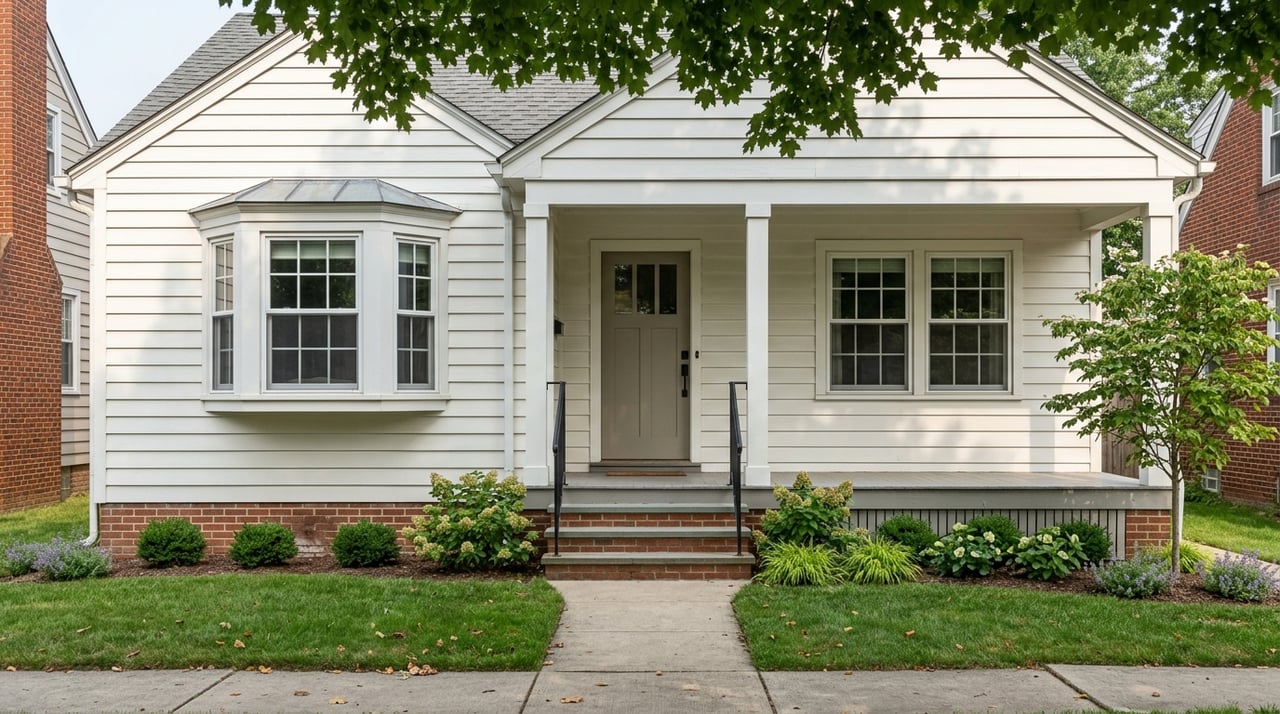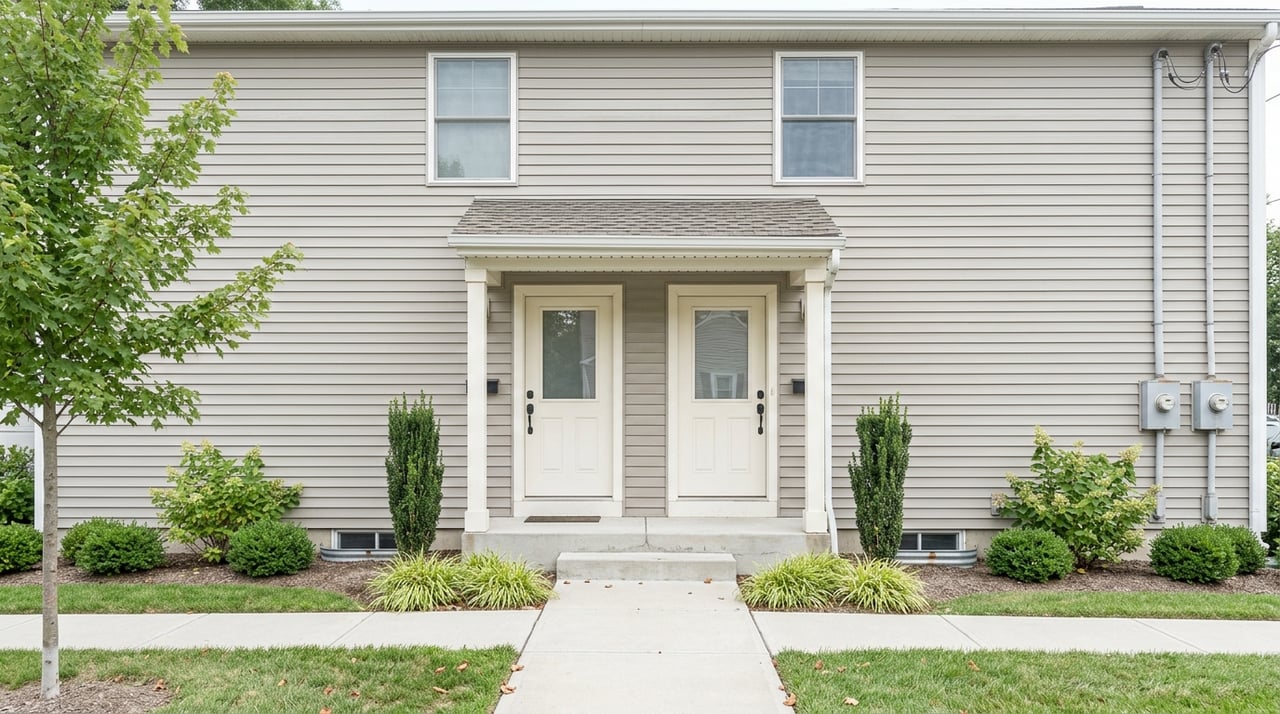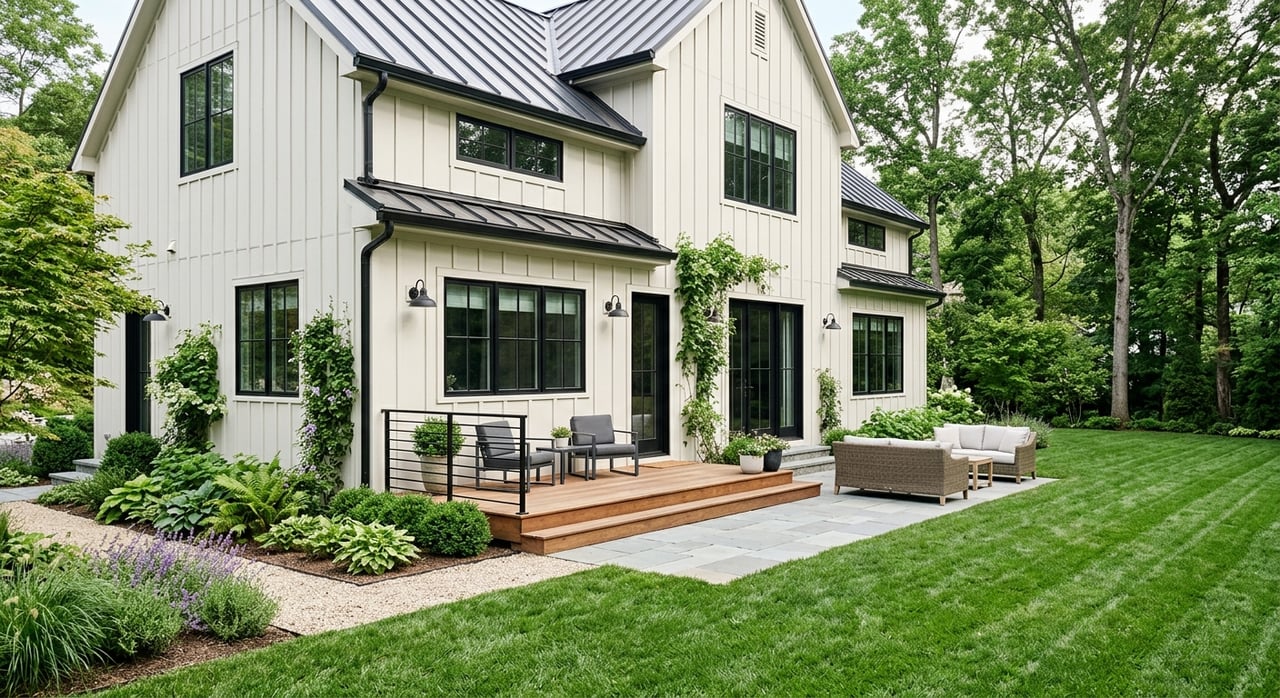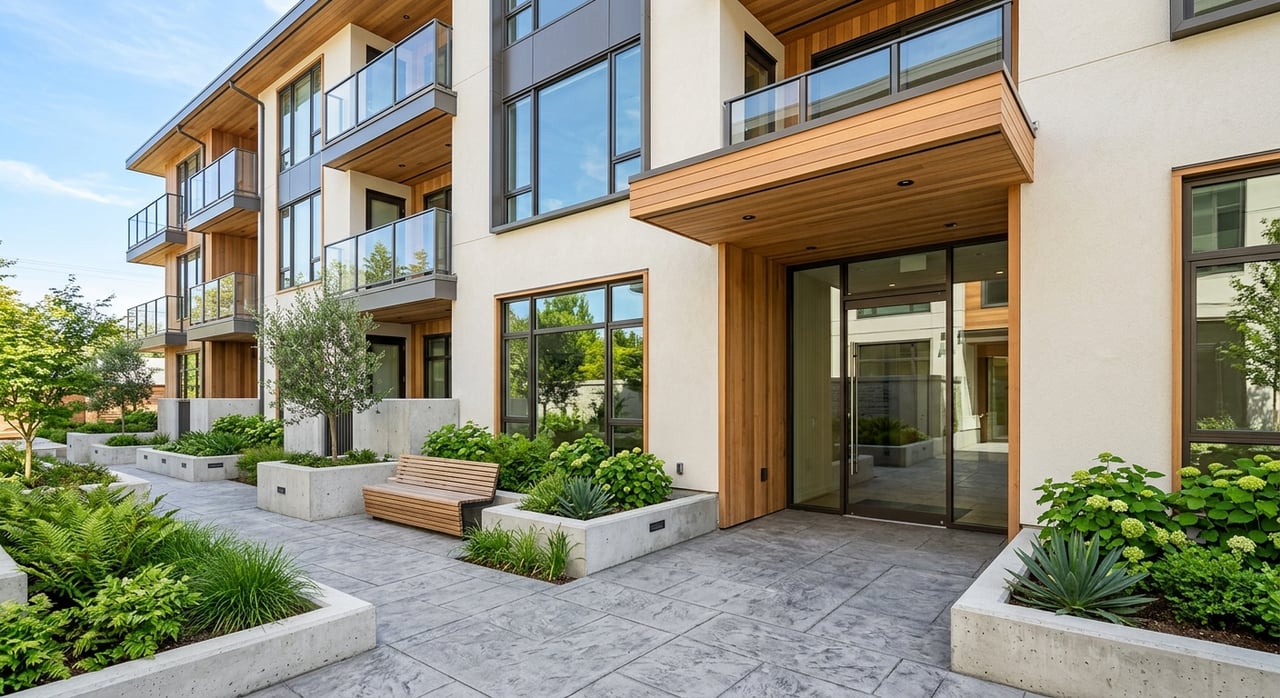
Trying to choose between a condo, townhome, or house in Middlesex County? You are not alone. With a mix of denser town centers, planned developments, and larger-lot neighborhoods across the county, many buyers find themselves weighing lower-maintenance living against space, privacy, and long-term flexibility. The good news is that each option can make sense, depending on how you want to live, what you want to maintain, and how you want to budget for the future. Let’s dive in.
Why this choice matters in Middlesex County
Middlesex County gives you a wide range of housing options in one region. The county includes 25 municipalities, more than 863,000 residents, and 318 square miles, with both built-up centers and more rural areas. County information also notes that the area is about an hour from major hubs like New York City and Philadelphia, which helps explain why so many buyers compare attached housing with detached suburban homes.
That local variety is a big reason this decision deserves a closer look. A condo, townhome, and house can offer very different day-to-day experiences, even when they are all within the same county. The right fit often comes down to how much maintenance you want, how much control you need, and how you want your monthly costs to look.
Condo living in Middlesex County
What a condo usually means
In New Jersey, a condominium usually means you own your individual unit along with an undivided interest in the common elements. Those common elements can include shared exterior areas, building systems, and amenities, depending on the community. State law treats common expenses as the costs of administering, maintaining, repairing, and replacing those shared elements.
In practical terms, condo living often shifts a meaningful part of exterior and common-area upkeep to the association. The New Jersey Department of Community Affairs also indicates that condo associations are generally responsible for registration and correcting cited violations. That structure can appeal to buyers who want less hands-on property maintenance.
Why some buyers prefer condos
A condo can be a smart option if you want a simpler maintenance routine. Consumer guidance from Fannie Mae notes that condo fees often cover exterior repairs, common-area maintenance, and sometimes water, sewer, trash, and shared amenities. That can make your monthly planning more predictable, even if your total housing cost includes more than just your mortgage.
Condos can also work well if you prefer a more compact home or do not need a large yard. In a county with developed corridors and established condo communities, this style of ownership may fit buyers who prioritize convenience and shared upkeep over private outdoor space.
What to watch for with condos
The tradeoff is usually less privacy and less freedom to make changes. Since condos are part of a shared community, association rules may limit exterior modifications and other updates. Fannie Mae also notes that association decisions, reserve levels, common-area condition, and special assessments can affect both your monthly cost and future financing.
That means you should look beyond the listing photos. A condo may look affordable at first glance, but the full picture includes dues, rules, reserves, and any upcoming costs tied to building maintenance.
Townhomes offer a middle ground
Why townhomes feel different
Townhomes often land in the middle between condos and detached houses. You may get more living space, a more house-like layout, and sometimes a private entrance or small outdoor area. At the same time, shared walls and association rules can still be part of the experience.
In Middlesex County, townhomes are often found in planned developments, higher-density residential zones, and transit-oriented areas. Official local planning sources point to this pattern in places like North Brunswick and Edison, where townhouse districts and townhome communities are specifically identified.
The key question: fee simple or association-managed?
In New Jersey, a townhome is not always one legal ownership type. The Department of Community Affairs explains that some townhomes are fee simple, meaning each unit is owned individually and not in condominium or cooperative form. Others may still have association responsibilities that affect exterior maintenance or shared areas.
This distinction matters more than many buyers realize. A townhome may look and feel like a detached home in daily life, but the actual maintenance split can be much closer to condo living if the association handles exterior components or common areas.
When a townhome makes sense
A townhome can be a strong fit if you want more space than a condo but do not want all the maintenance that can come with a detached house. It can also suit buyers who want a more defined residential feel in a community setting. In many cases, it offers a practical balance of privacy, convenience, and cost.
Still, you should not assume every townhome community works the same way. Before you buy, it is important to review the deed, bylaws, and HOA documents so you understand exactly what you own and what the association maintains.
Houses offer the most control
What you gain with a detached home
If your top priorities are privacy, yard space, and flexibility, a detached house often gives you the most room to shape the property around your needs. You typically have fewer shared elements and more control over your home’s appearance, layout changes, and outdoor use, subject to any community rules that may still apply.
Local planning documents in municipalities like Edison and North Brunswick show that detached single-family homes remain a major part of the county’s housing mix. Larger-lot residential districts are especially relevant if you want more land and fewer shared walls.
What you take on with a house
More control usually means more responsibility. Fannie Mae’s homeowner maintenance guidance makes clear that routine upkeep is a normal part of single-family ownership, including exterior structure, plumbing, electrical, heating, cooling, garage, attic, and basement care.
That means you should be ready for both regular tasks and long-term replacement planning. A house can offer the most freedom, but it also asks the most from you in time, budgeting, and maintenance decisions.
Where you may find each property type
Condos in more developed areas
County and municipal planning sources suggest that condos are part of Middlesex County’s established housing stock, especially in more developed corridors and commercial-adjacent locations. Edison’s Housing Element and Fair Share Plan references multiple condo communities and associations, including Hidden Wood Condominium, Parkgate Condo, Enclave at Edison Condo Association, Pumptown Corner Condo Association, JFK Plaza Condominium Association, Mediplex Condominium Association, and Downtown Plaza Condominium Association.
That does not mean condos are limited to one type of setting, but it does show they are a meaningful part of the local market. If you want lower-maintenance living, these established community patterns can help narrow your search.
Townhomes in planned developments
Townhomes are often tied to planned residential development and transit-oriented growth. North Brunswick’s official zoning map includes an R-T-D Townhouse-Duplex Residential district, and the township also describes Main Street North Brunswick as a transit village with 100 townhome residences at The Heights at Main Street. Edison’s housing plan also identifies three townhouse zoning districts, primarily in North Edison.
For buyers, that means townhomes may be especially common in communities designed around convenience, density, and modern development patterns. If that lifestyle appeals to you, townhomes may be worth a closer look.
Houses in single-family districts
Detached homes continue to play a major role across the county. Edison’s plan identifies five single-family zoning districts with minimum lot sizes ranging from 7,500 to 40,000 square feet, while North Brunswick’s zoning map also includes several single-family residential districts.
If your goal is more separation, more land, or more renovation flexibility, these areas are often the starting point for your search. The housing style may be more traditional, but the appeal is often long-term control and space.
How to compare true monthly cost
One of the biggest mistakes buyers make is focusing only on the mortgage payment. Your actual monthly housing cost can also include property taxes, homeowners insurance, and any condo or HOA dues. Those added costs can materially change how affordable one option feels compared with another.
For condos and townhomes, it is especially important to understand what the monthly fee covers. Some communities include exterior maintenance and shared services, while others may leave more costs in your hands. A lower list price does not always mean a lower total monthly expense.
Questions to ask before you tour
Before you compare specific homes, it helps to ask a few practical questions early. These details can tell you whether a property type really fits your lifestyle and budget.
- What does the monthly fee cover?
- Are reserve funds in place?
- Are any special assessments pending?
- Who handles exterior maintenance?
- What insurance responsibilities belong to the owner?
- What changes are allowed to the home or exterior?
- Are there rental restrictions?
- How is parking handled?
- What is the condition and remaining useful life of major components?
For condos, townhomes, and other planned developments, New Jersey guidance makes it clear that buyers should carefully review governing documents and offering materials. This step can help you avoid surprises after closing.
Which option is right for you?
Choose a condo if you want less upkeep
A condo may be the best fit if your top priority is reducing hands-on maintenance. It can also make sense if you are comfortable with shared living features and association rules. Just be sure you understand dues, reserves, and any limits on changes before moving forward.
Choose a townhome if you want balance
A townhome may be right for you if you want more space than a condo but less responsibility than a detached house. This option often works well for buyers who want a middle-ground lifestyle. The main thing to confirm is how ownership and maintenance are structured in that specific community.
Choose a house if you want control
A detached house may be your best match if you want the most privacy, the most outdoor space, and the most freedom to customize. It often offers the broadest long-term flexibility. You just need to be ready for the full maintenance load that comes with it.
In a county as varied as Middlesex, there is no one-size-fits-all answer. The best move is to match the property type to your budget, your routine, and how much responsibility you truly want to take on. If you want help comparing your options in Middlesex County and narrowing your search with confidence, connect with MaryBeth Tomaro.
FAQs
What is the main difference between a condo and a townhome in Middlesex County?
- A condo usually involves owning an individual unit plus an interest in common elements, while a townhome may be fee simple or association-managed, so maintenance and ownership rights can vary more from one community to another.
Are condo fees included in your mortgage payment in Middlesex County?
- Usually no. Condo or HOA dues are typically separate from your mortgage payment, and your monthly housing cost may also include property taxes and insurance.
Do townhomes in Middlesex County always have HOAs?
- Not always, but many do have associations or shared maintenance arrangements. You should review the deed, bylaws, and community documents to understand the exact setup.
Is a detached house in Middlesex County always easier to customize?
- A detached house usually offers more flexibility than a condo or townhome, but any HOA rules or governing documents tied to the property can still affect exterior changes.
Where are condos and townhomes commonly found in Middlesex County?
- Local planning and zoning sources suggest condos and townhomes are often found in more developed corridors, planned developments, and transit-oriented areas, while detached homes are more common in single-family residential districts.
What should you ask before buying a condo or townhome in Middlesex County?
- Ask what the monthly fee covers, whether reserves are funded, whether special assessments are pending, who handles exterior maintenance and insurance, what modifications are allowed, and whether there are rental or parking restrictions.