Wondering whether a condo or a house makes more sense near the Ocean County shore? It is a common question, especially when you want beach access without getting surprised by monthly costs, storm prep, or building rules later on. If you are weighing convenience against control, this guide will help you compare the real tradeoffs so you can make a smarter move with more confidence. Let’s dive in.
Ocean County Shore Costs Matter
Ocean County is not just another suburban market. It has more than 40 miles of Atlantic coastline, along with major bay and waterfront areas, and local planning materials highlight flooding, hurricanes, erosion, drought, and power outages as ongoing concerns.
That coastal setting shapes your decision in a big way. Near the shore, the right choice is often less about the sticker price and more about how you want to handle maintenance, insurance, and storm-related risk over time.
As of spring 2026, countywide pricing remained substantial. Zillow estimated the average home value in Ocean County at $541,880, with a median sale price of $453,333, while Redfin reported a March 2026 median sale price of $460,000.
Those figures are not measured the same way, but they point in the same direction. This is still a relatively active market where your total monthly cost can matter just as much as your offer price.
Condo vs House Basics
At a high level, a condo usually offers a more hands-off ownership experience, while a house usually gives you more control. Neither option is automatically better. The right fit depends on how you plan to use the property and how much responsibility you want to take on yourself.
For many buyers, the core tradeoff is simple. A condo often means shared maintenance and shared rules, while a single-family house often means more autonomy, more space, and more direct responsibility.
What a Condo Usually Means
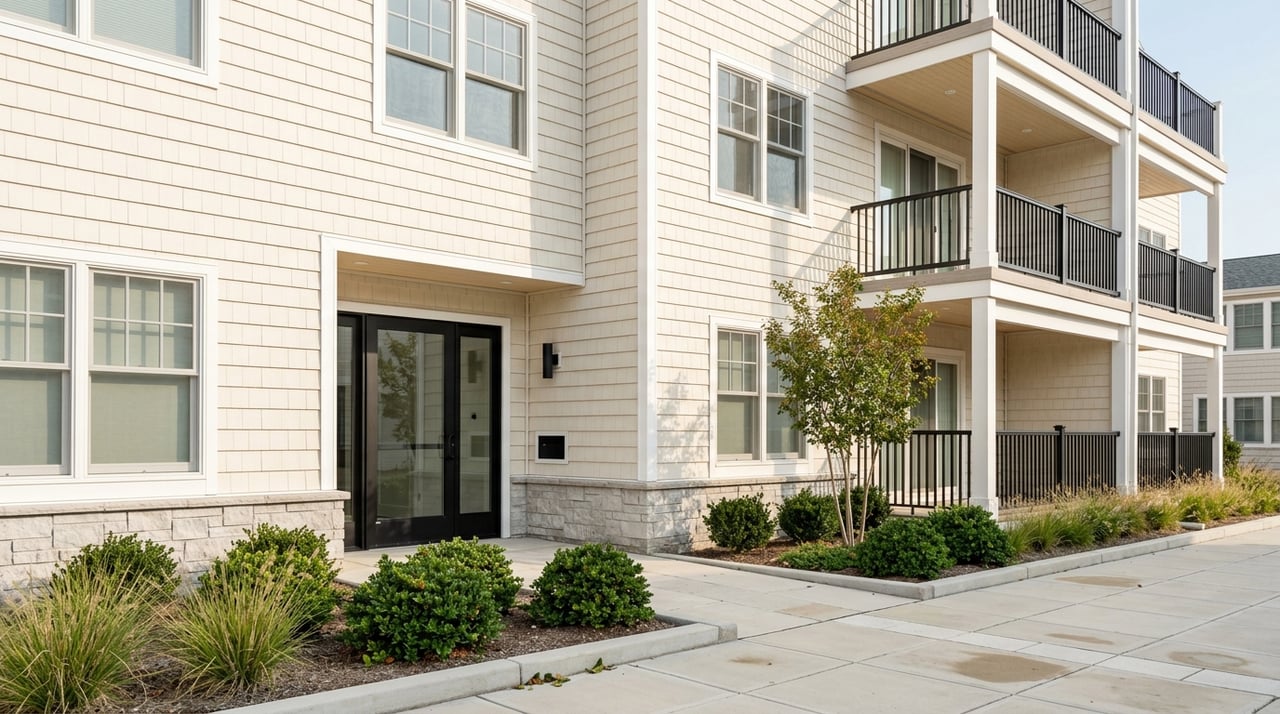
Under New Jersey’s Condominium Act, the association is responsible for maintaining, repairing, replacing, cleaning, and sanitizing the common elements. Associations can also adopt and enforce rules about how the property is used and operated.
That structure can be appealing if you want less exterior upkeep. If you would rather not spend your weekends handling building maintenance or coordinating common-area issues, condo living may feel easier.
The tradeoff is that you give up some individual control. Your monthly dues help fund shared services and common-area care, but the association also has a voice in how the property is run.
What a House Usually Means
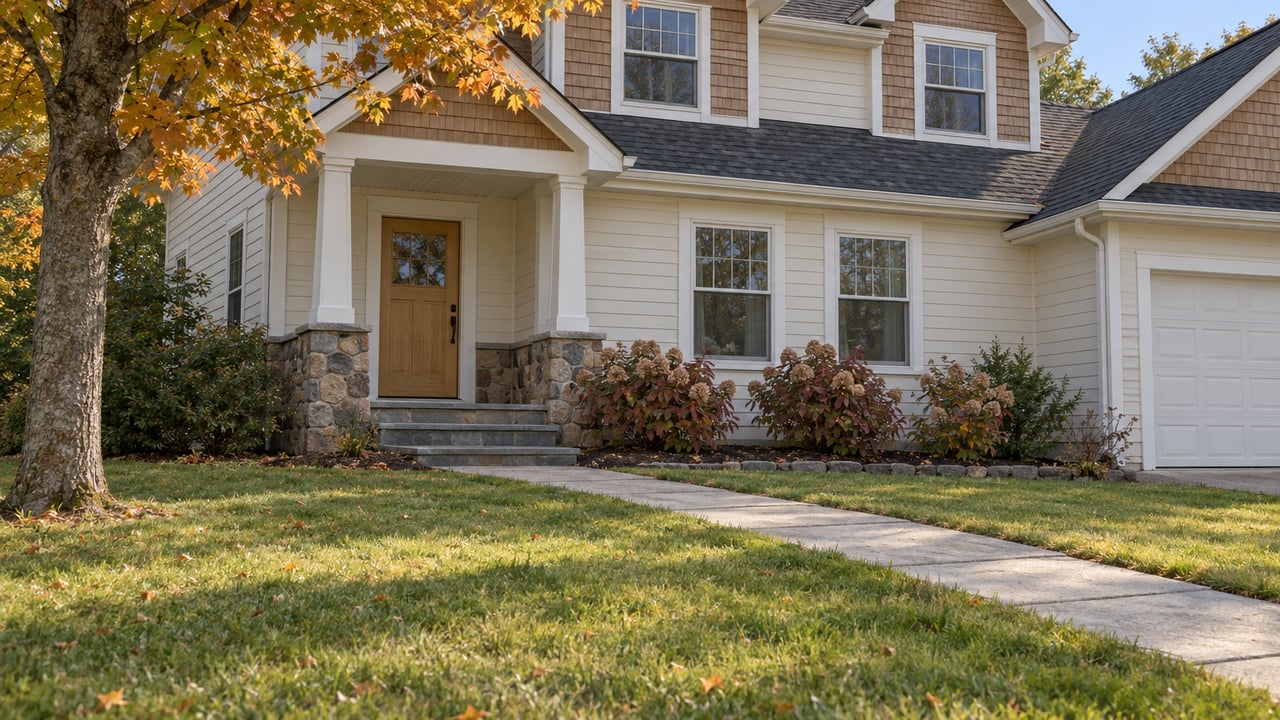
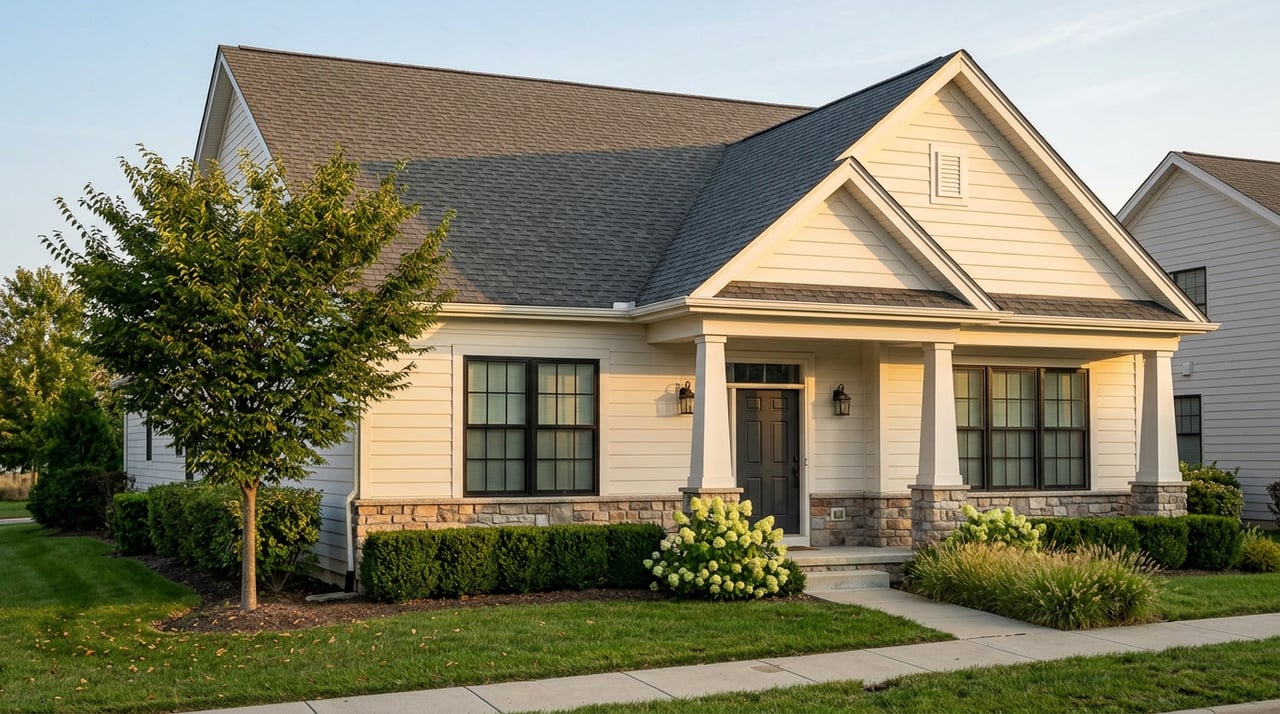
A single-family house often gives you more privacy, more flexibility, and more room to make decisions without association oversight. That can be a major advantage if you want your property to feel fully your own.
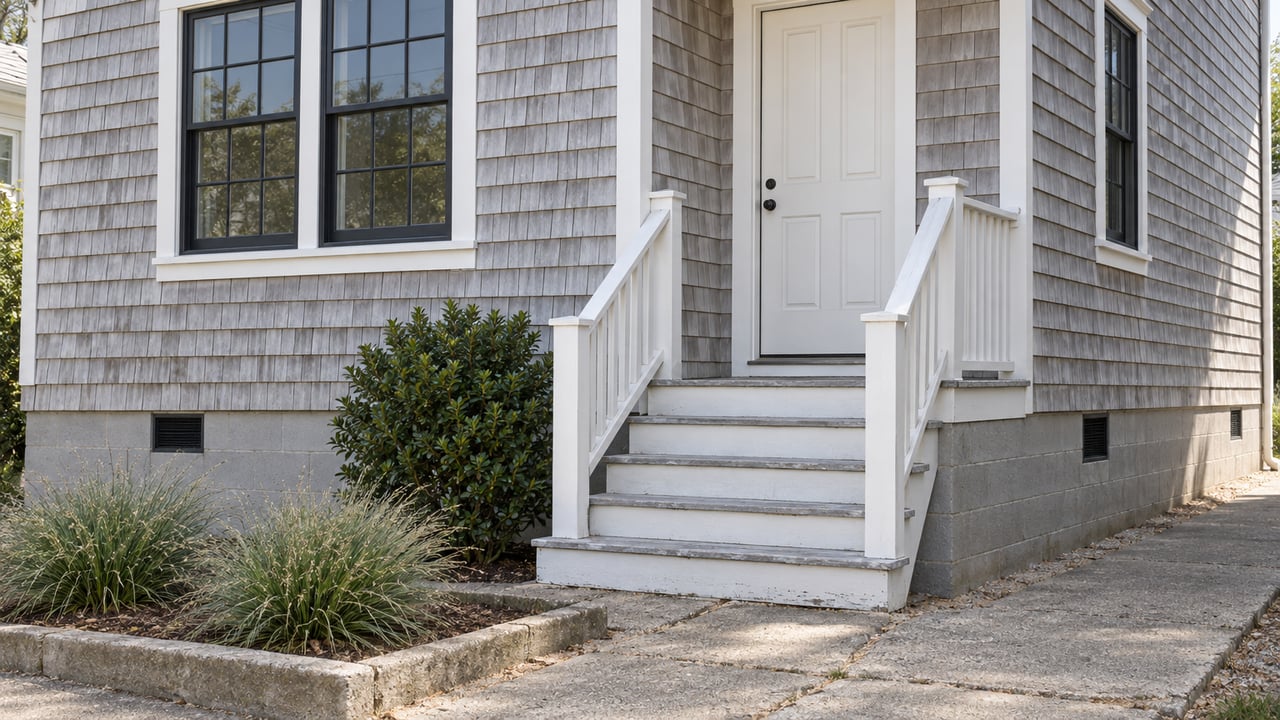
But that control comes with more responsibility. In a shore market, that can include exterior upkeep, storm preparation, post-storm cleanup, and repair planning that would otherwise be shared in a condo setting.
Compare Monthly Cost, Not Just Price
One of the biggest mistakes buyers make is focusing too much on the list price. A condo may appear less expensive at first glance, but monthly dues can significantly change the picture.
Consumer guidance notes that condo and HOA dues are usually paid directly to the association, not folded into your mortgage payment. Those dues can range from a few hundred dollars per month to more than $1,000.
That means the better comparison is your all-in monthly cost. For either property type, you should look at:
- Mortgage payment
- Property taxes
- Homeowners insurance
- Flood insurance, if needed
- Condo or HOA dues, if applicable
- A realistic repair or assessment budget
For condos, another detail matters here. Unpaid HOA dues can lead to debt collection efforts and even foreclosure, so those fees should be treated as a serious and ongoing part of ownership.
Flood Risk Can Change the Equation
Near the Ocean County shore, flood exposure is not a side issue. It is one of the most important parts of your buying decision.
New Jersey insurance guidance states that standard homeowners policies do not cover flood damage. State emergency management also says flood insurance is one of the most important protections for homeowners, and flood policies generally take 30 days to go into effect.
That timing matters. If you wait until after closing to ask flood questions, you may be too late to make an informed cost comparison.
Why Two Similar Properties Can Cost Very Different Amounts
Flood insurance premiums can vary based on location, construction, and replacement cost. So even if two shore properties look similar online, their insurance bills may be very different.
This is why buyers should review flood exposure before closing. Flood maps and flood-zone updates can affect both coverage requirements and policy cost.
Condo Insurance Works Differently
With a condo, insurance is often split between the association and the unit owner. New Jersey condo guidance explains that a unit-owner policy typically covers permanently installed property inside the unit, personal property, loss of use, liability, and medical payments.
At the same time, the association typically carries building coverage for the structure and common elements. Even so, individual owners may still need their own contents coverage, interior-improvement protection, and flood coverage depending on what the association’s policy actually covers.
That is why a condo buyer should never assume the building policy covers everything. You need to know where the association’s protection stops and where your own responsibility begins.
Condo Due Diligence Matters More Than Ever
If you are considering a condo near the shore, your homework should go beyond the unit itself. You are also buying into the health of the association.
New Jersey strengthened condominium and cooperative oversight after Surfside. Certain residential condominium and cooperative buildings must undergo structural inspections by a licensed New Jersey engineer, with the initial inspection generally due 15 years after the certificate of occupancy or within 60 days of observable damage.
The engineer must provide a written report that identifies needed maintenance and sets the next inspection date. For a buyer, that makes inspection history an important part of reviewing the property.
Reserve Studies and Special Assessments
Reserve planning is another major issue. New Jersey law requires associations to fund capital reserve studies, use a 30-year funding plan, and review the study at least every five years.
If an association is funding reserves at only 85% of the recommended plan, buyers must be notified that a special assessment or loan is anticipated. In plain terms, this means a lower monthly fee is not always a sign of a better deal.
Sometimes it can mean the association is underfunded. If that is the case, future costs may show up later in the form of assessments or loans.
Questions to Ask Before You Offer on a Condo
Before making an offer, ask for clear answers to these questions:
- What does the HOA fee cover?
- How much of the fee goes to reserves?
- When was the last structural inspection completed?
- When was the last reserve study completed?
- Are any special assessments expected?
- What flood policy covers the building?
- What part of the property does that policy actually cover?
- What rules govern use and operation of the property?
These questions can help you look past the listing photos and understand the true ownership picture.
Which Option Fits Your Lifestyle?
For many buyers, a condo works well if you want a lower-maintenance, lock-and-leave lifestyle. That can be especially appealing if the shore property will be seasonal or used as a second home.
A house often fits buyers who want more space, more privacy, and more control over the property. It can also be a better match if you are comfortable taking on more upkeep and more hands-on storm preparation.
There is no universal winner. The better choice depends on how you want to live, how often you plan to use the home, and how much unpredictability you are comfortable managing.
A Smart Way to Decide
If you are torn between a condo and a house near the Ocean County shore, start with your day-to-day reality. Ask yourself whether you value convenience more, or whether autonomy matters more.
Then put the numbers next to that lifestyle answer. Compare purchase price, dues, insurance needs, flood exposure, reserve health, repair expectations, and how much responsibility you want after a storm.
That side-by-side comparison usually brings the decision into focus. In this market, a condo often means convenience and shared maintenance, while a house often means space and independence with more direct upkeep.
If you want help thinking through which option fits your goals in Ocean County or nearby shore markets, MaryBeth Tomaro can help you compare the details with a local, practical approach.
FAQs
What is the main difference between a condo and a house near the Ocean County shore?
- A condo usually offers shared maintenance and association rules, while a house usually offers more space, privacy, and owner control with more direct upkeep.
How do condo fees affect shore home affordability in Ocean County?
- Condo and HOA dues are typically paid separately from the mortgage and can add hundreds or even more than $1,000 per month to your total housing cost.
Does standard homeowners insurance cover flood damage in Ocean County?
- No. New Jersey guidance states that standard homeowners policies do not cover flood damage, so buyers should review flood insurance needs before closing.
What should condo buyers review before buying near the New Jersey shore?
- Buyers should review the HOA fee, reserve funding, structural inspection history, reserve study timing, expected assessments, flood coverage, and association rules.
Is a house or condo better for a seasonal shore property in Ocean County?
- A condo may fit seasonal buyers who want a lower-maintenance, lock-and-leave setup, while a house may fit buyers who want more control and are comfortable managing more upkeep.